Charleston · South Carolina

Our Story Menus Gift Cards Catering Jobs Contact Order Online Reserve
Open 7 nights · Sun–Thu 5–9 PM · Fri–Sat 5–10 PM
251 Meeting St, Charleston SC
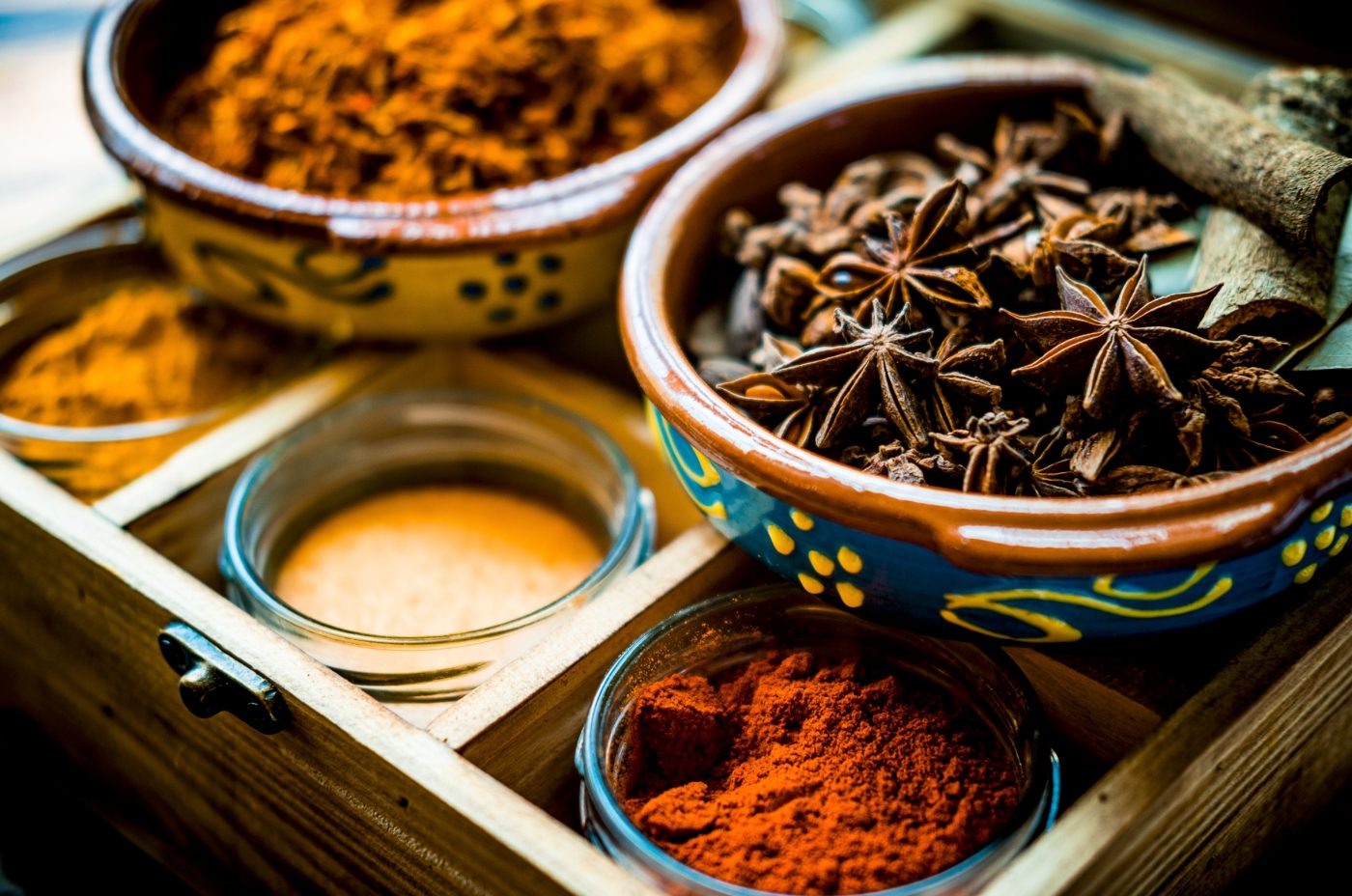
Spice mounds in a subcontinental market

Two flags · one kitchen
united at heart

Pakistani or Indian? The border came after the food.

Every dish we cook is older than the border that named it. Biryani, nihari, karahi, tikka, chaat. Here is the history they share, told from a kitchen in downtown Charleston.

Pakistani and Indian food are not the same cuisine, but they share centuries of history. The border came in 1947 and split older regions like Punjab down the middle. Biryani, tikka, kabab, chaat and the tandoor were all here long before that line was drawn. So when you picture the food of either country, you are usually picturing the kitchens of Punjab, Delhi and the northwest, which have been cooking together far longer than they have been apart.

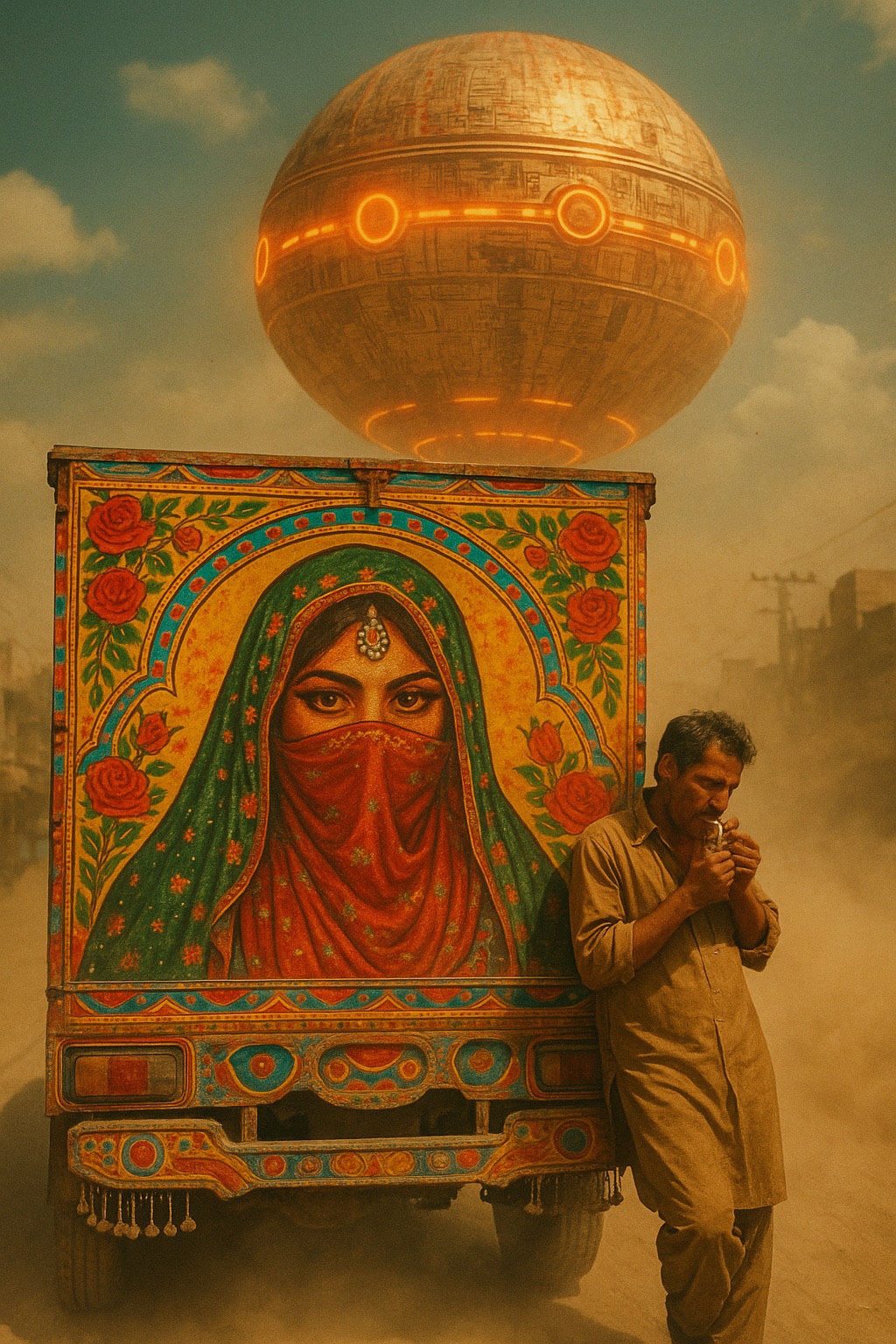
Pakistani truck art, hand-painted panels on a Karachi lorry

The question we get most

Isn't this basically Indian food?

Guests ask us this most nights, usually somewhere between the chaat and the karahi, and usually a little apologetically. It is a fair question, and the honest answer is that the question is younger than almost everything on our menu.

Consider what had to happen for a plate of biryani to exist. Biryani grew from the meeting of Persianate rice traditions and the cooking of the subcontinent. Under the Mughals and the regional courts that followed, it evolved differently in Delhi, Lucknow, Hyderabad, Sindh and Kolkata: a different rice, saffron here, aloo bukhara there, a heavier hand with chilli further south. By the time anyone wrote it down, half a dozen regions were arguing about who did it properly.

Long before today's national borders, ingredients, cooks and techniques moved freely across the northern subcontinent. Cooks moved. Empires moved. Recipes moved with them, along trade routes running from Persia through Kabul to Delhi, Lucknow and Lahore, then down to the port cities of Karachi and Bombay. The kitchen never asked anyone for a passport.

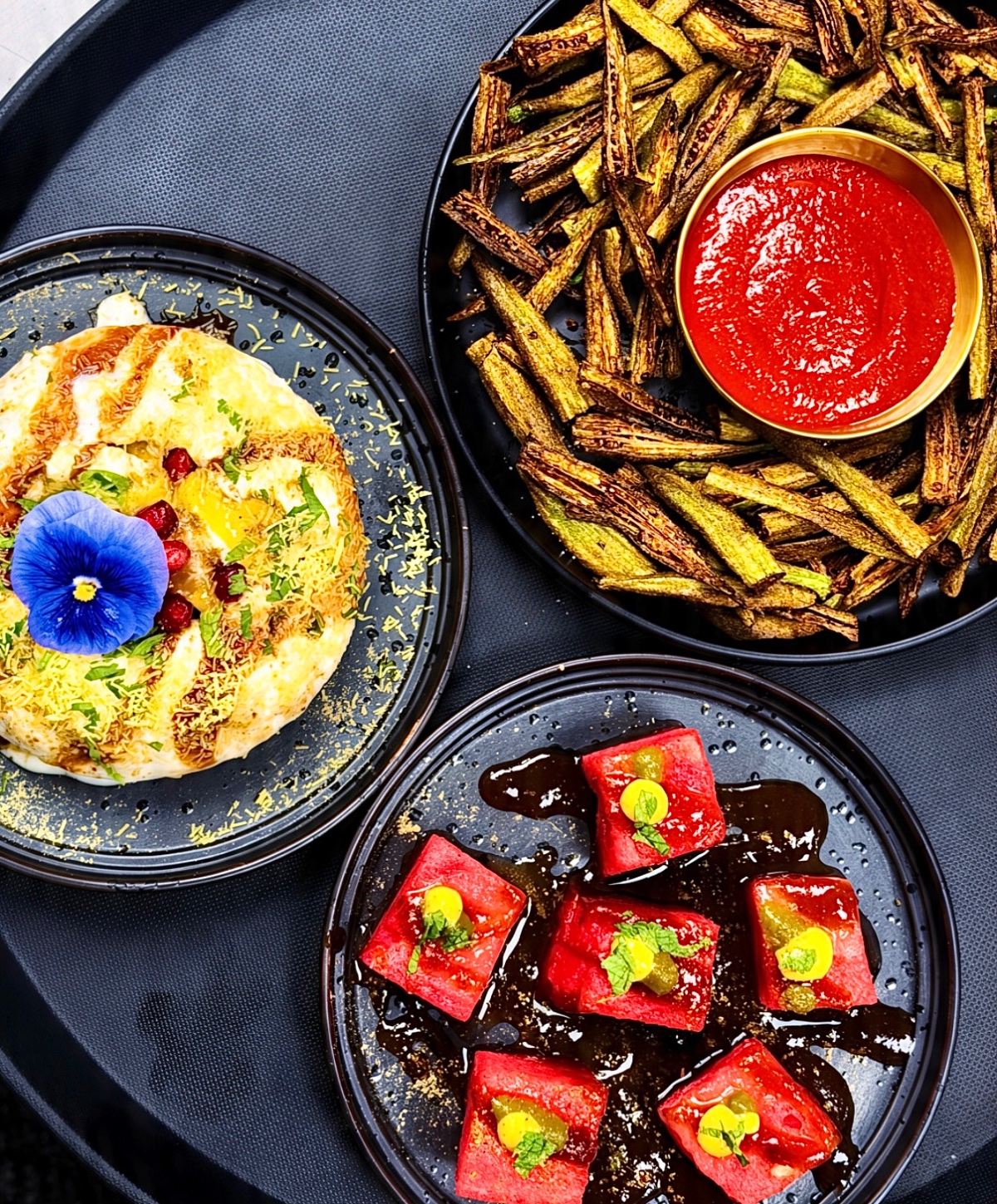
Raj Kachori, gunpowder okra chaat and watermelon chaat on black plates

Raj Kachori, left. Gunpowder okra chaat with spicy ketchup, top right. Watermelon chaat, below.

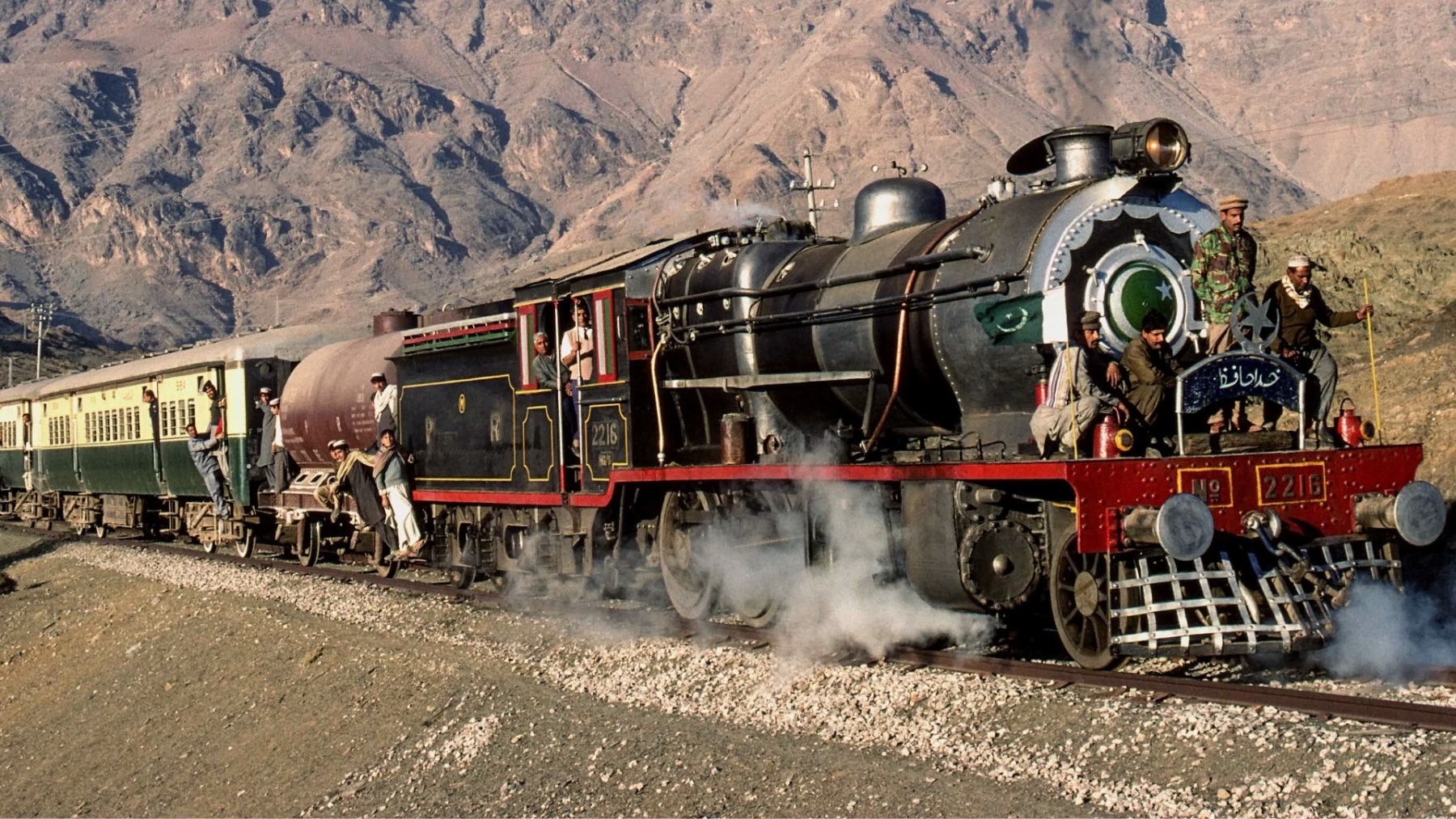
Railway across the subcontinent

Built by migration

The recipes are over a hundred years old. The border is only seventy-nine.

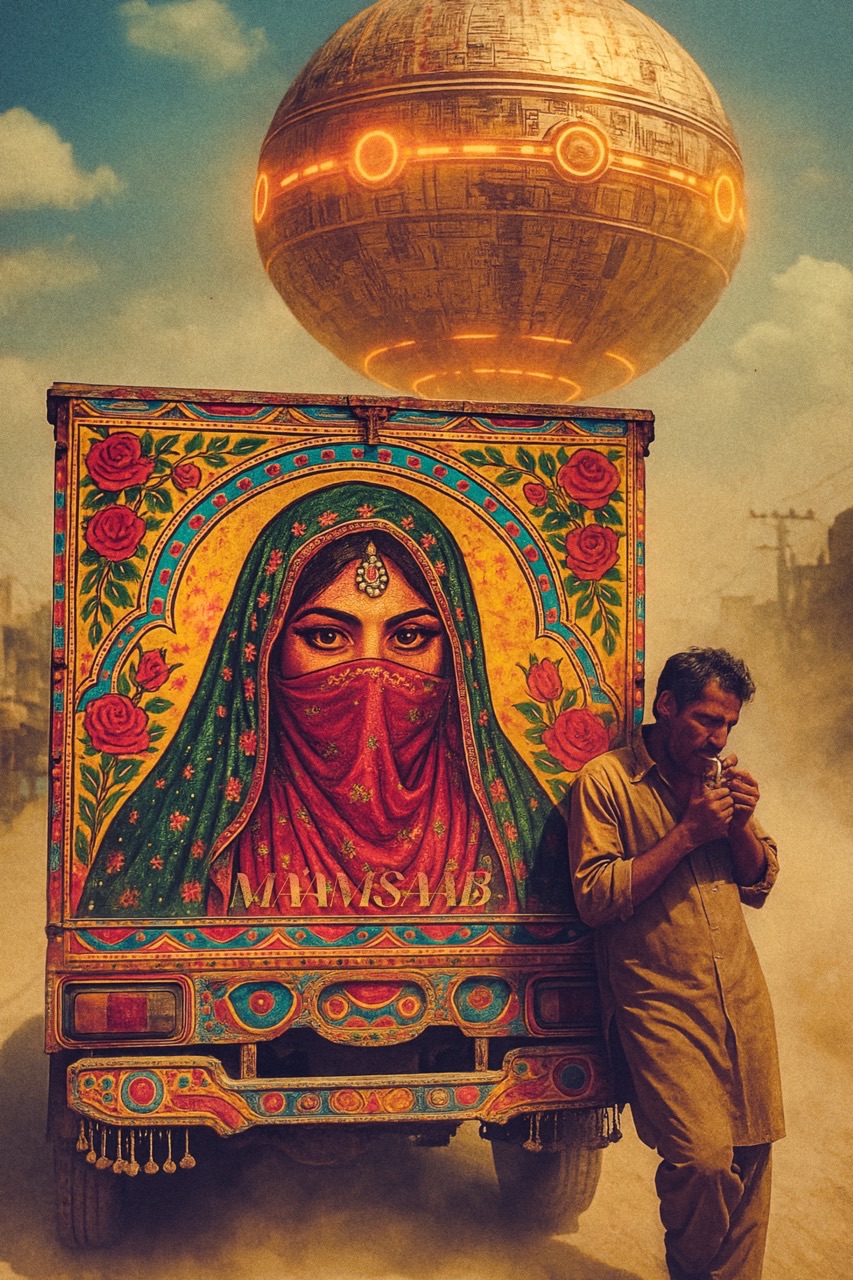
Ma'am Saab truck art

The kitchens of this region were built by movement. Persian and Central Asian traditions deepened through centuries of trade, migration and court culture. Mughal kitchens accelerated that exchange, while local ingredients and older South Asian cooking reshaped whatever arrived. Portuguese chillies landed on the coast after the Columbian Exchange and embedded themselves astonishingly fast. Every migration added a spice, a method, a way of layering rice. What grew out of it was regional, never national: Sindhi cooking is not Awadhi cooking, and neither is Punjabi. But the foundation underneath is shared, and it is unmistakable the moment you taste it.

In 1947 the line cut Punjab in half, and Bengal with it. It divided provinces, families and villages. It did not divide the palate. On both sides of that border people still reach for the same spice box, still argue over the same biryani, still know exactly what a good karahi should taste like.

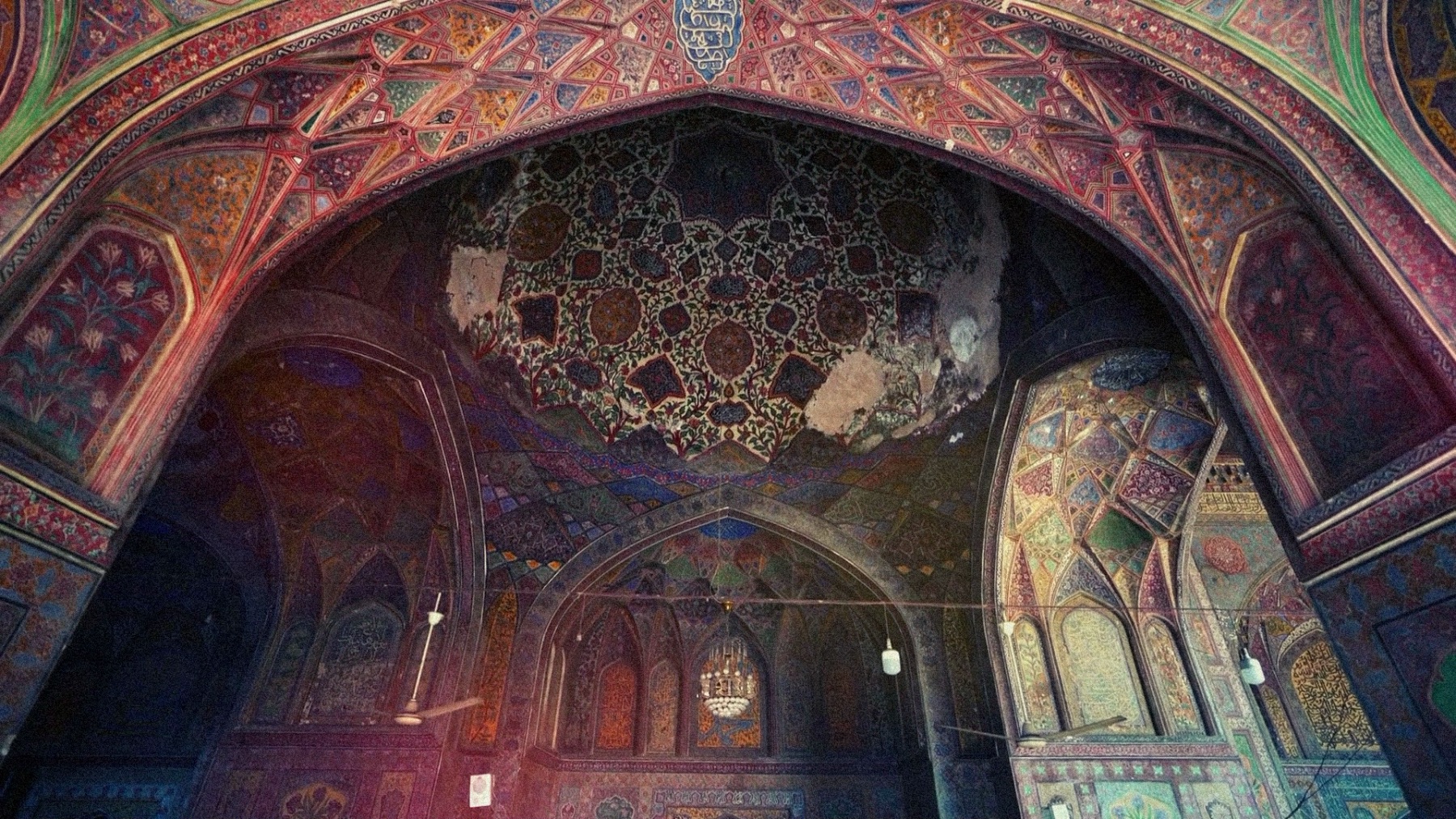
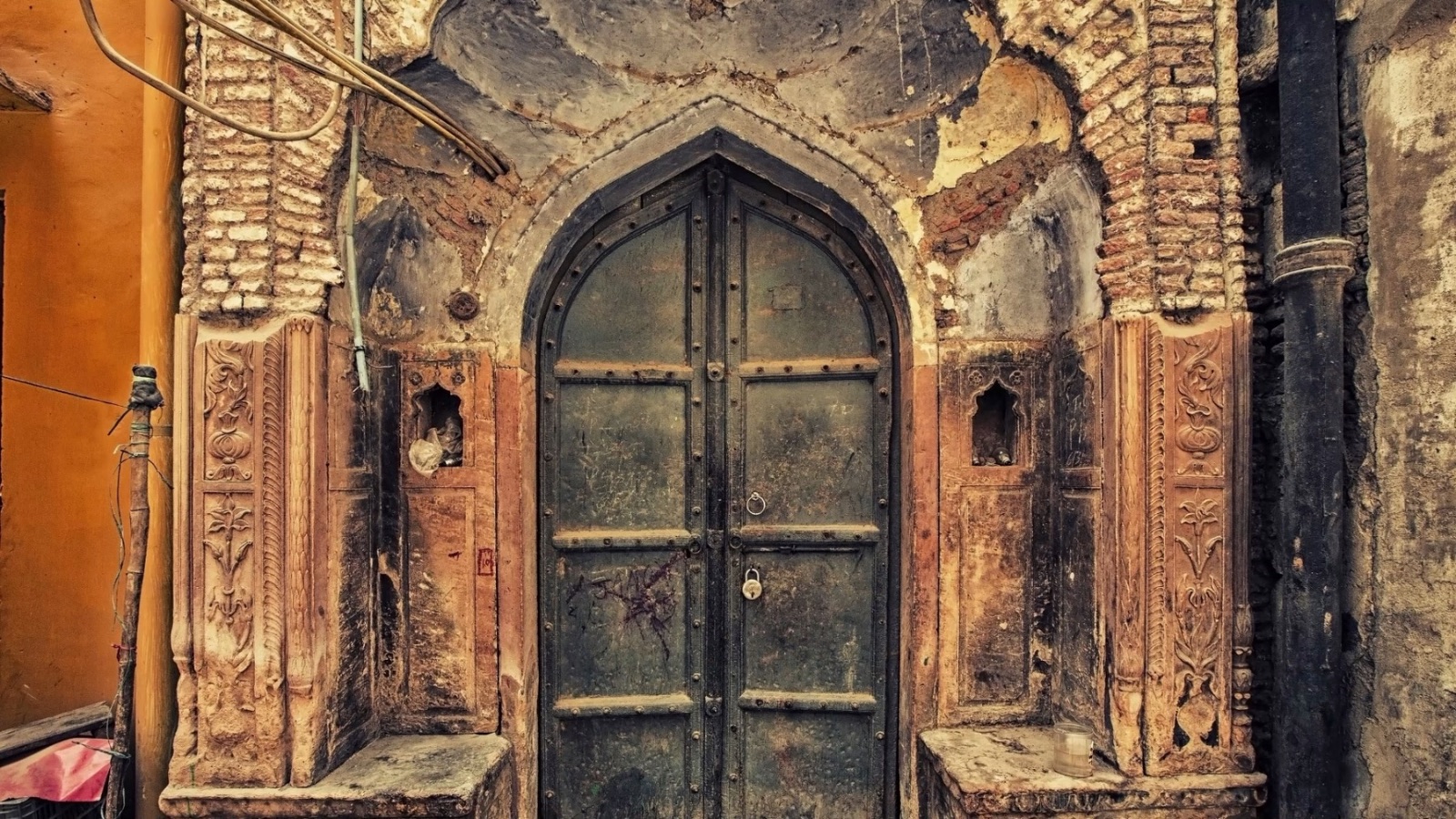
Carved haveli door and jali screen, Mughal-era architecture

ONE SPICE BOX FOR THE ENTIRE SUBCONTINENT

Five plates,
no passport

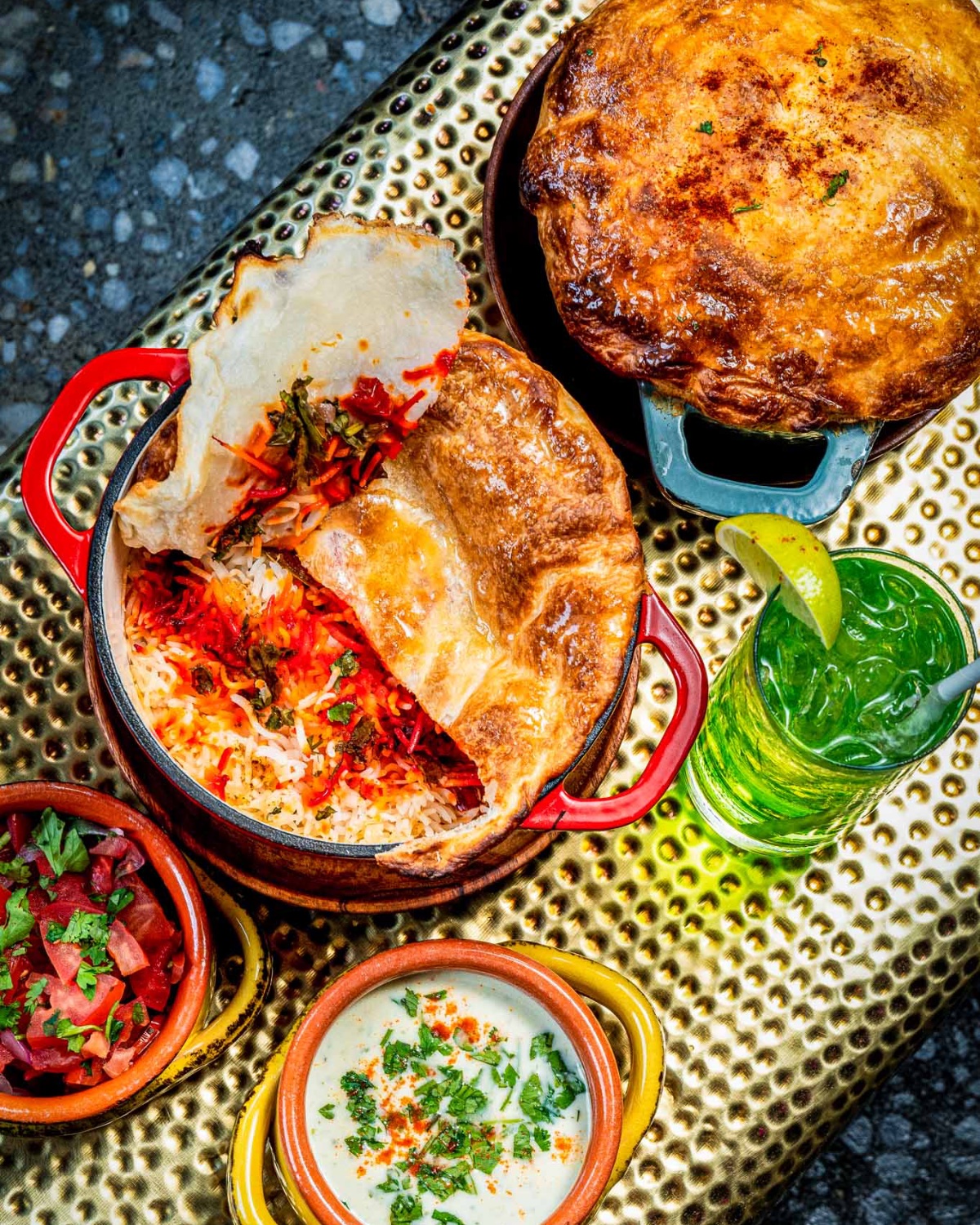
Biryani at Ma'am Saab, Charleston: layered basmati rice with spiced lamb

Mughal courts · 16th century

Biryani

A rice and meat tradition transformed across the subcontinent, producing distinctive biryanis in Lucknow, Hyderabad, Sindh, Karachi, Kolkata and beyond. Each city added its own turn: a different rice, a heavier hand with saffron, a plum tucked into the pot. Every version is the right one, which is the best possible outcome. More biryani for everyone.
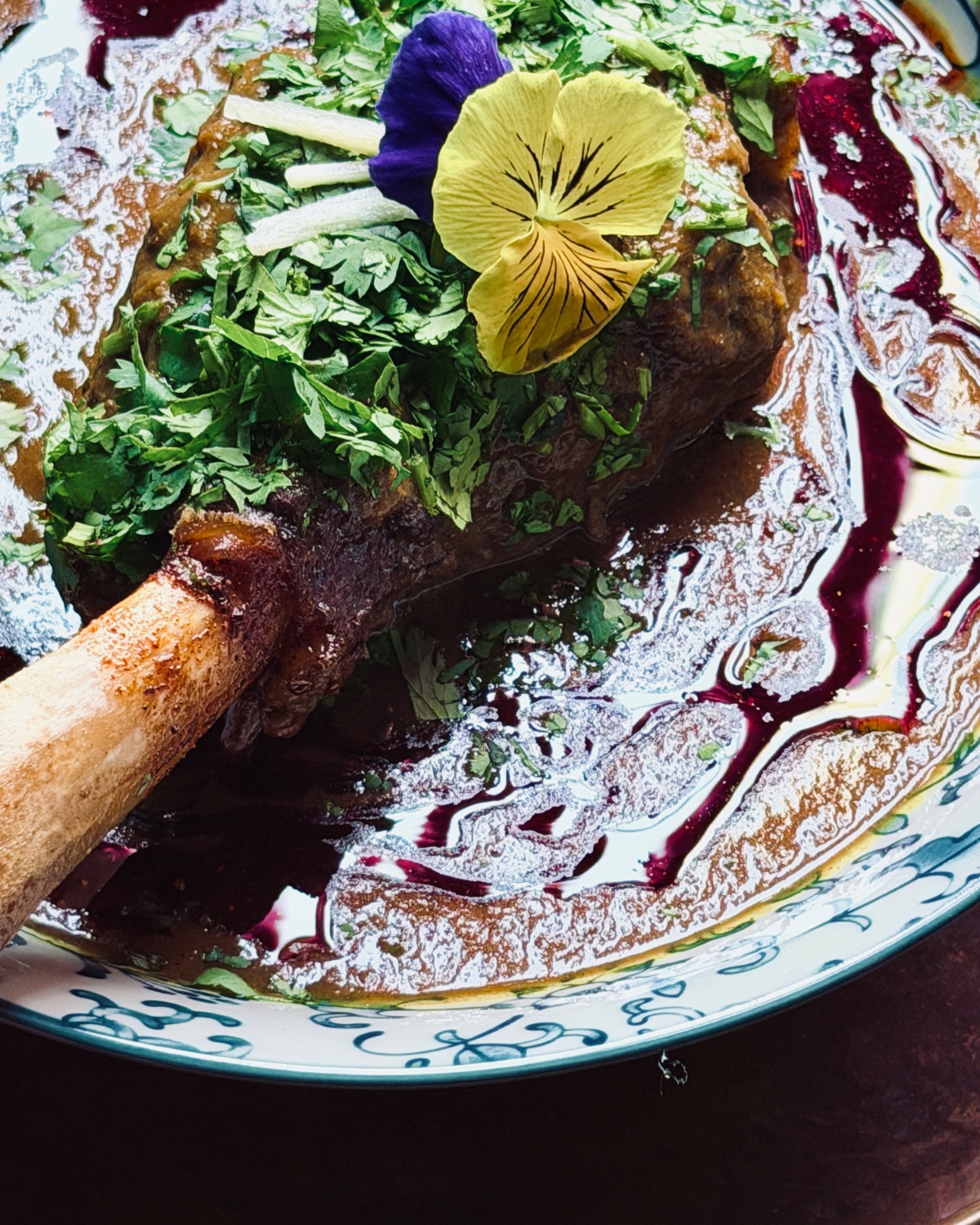
Nihari at Ma'am Saab, Charleston: slow-cooked lamb shank in spiced gravy

Delhi or Lucknow · 18th century

Nihari

Delhi or Lucknow, depending on whom you ask. The slow-cooked dawn stew became deeply associated with both cities, then travelled with Muslim families after Partition and found one of its great modern homes in Karachi.

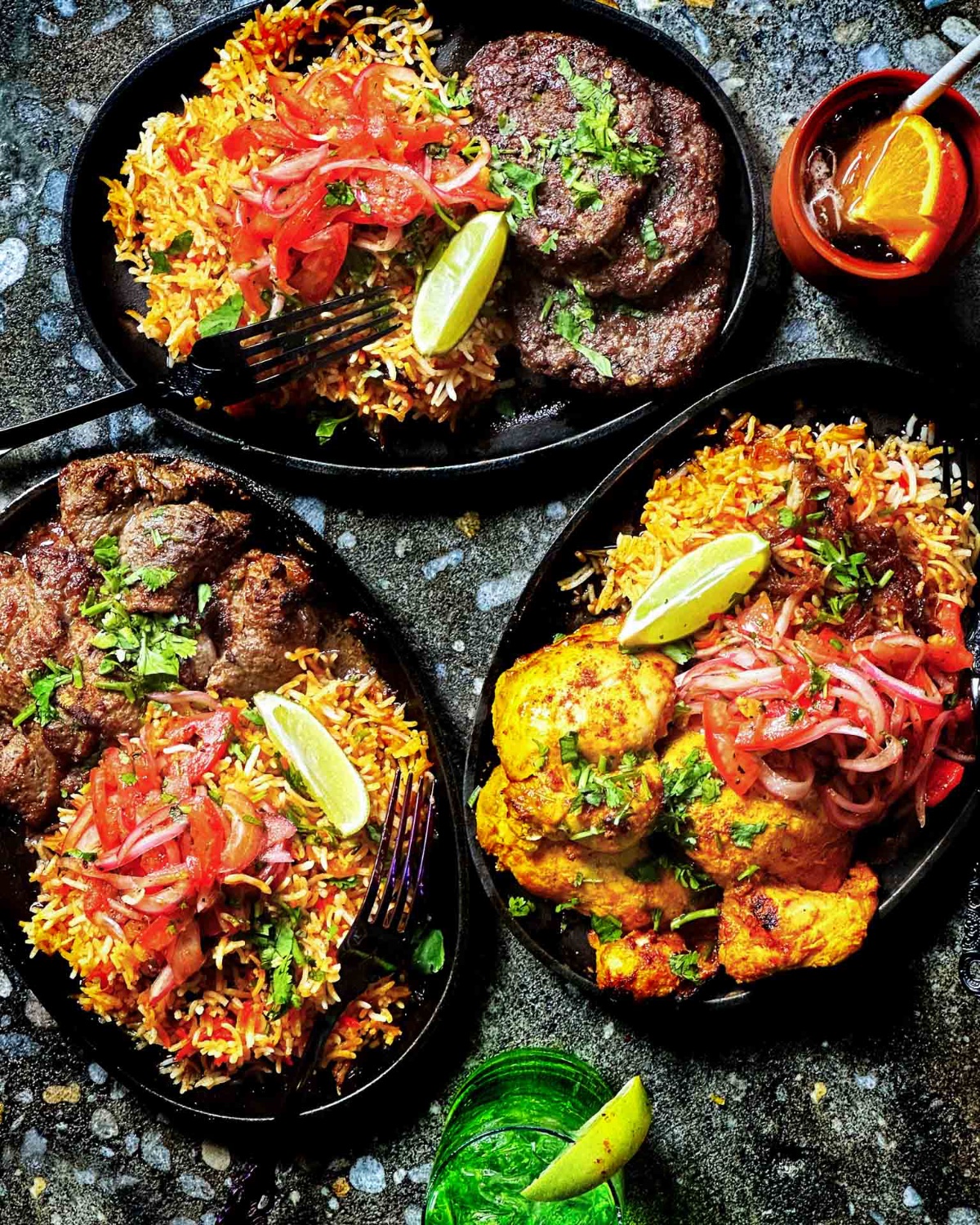
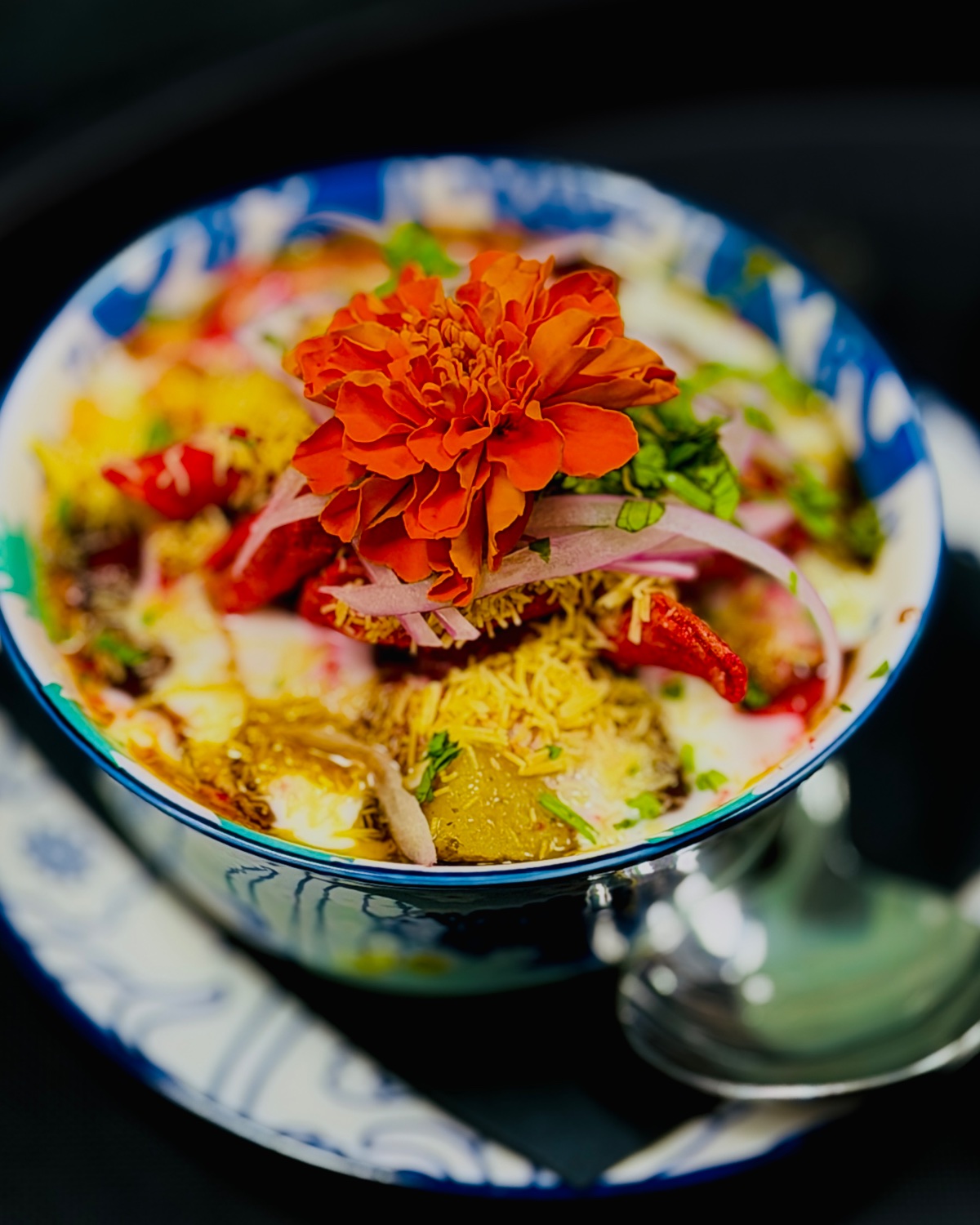
Chaat at Ma'am Saab, Charleston: Indian and Pakistani street food snacks

Every northern street corner

Chaat

Not one dish but a whole grammar of crisp, tangy, cooling, sweet and hot, interpreted differently from Delhi and Lahore to Mumbai and Karachi.

Tikka and kabab at Ma'am Saab, Charleston: flame-charred marinated meats

Around the fire · ancient

Tikka & Kabab

Persian, Central Asian and South Asian traditions met around fire: skewered meats, marinades, smoke and the tandoor became central to the cooking of Mughal courts, Punjab and the northwest.

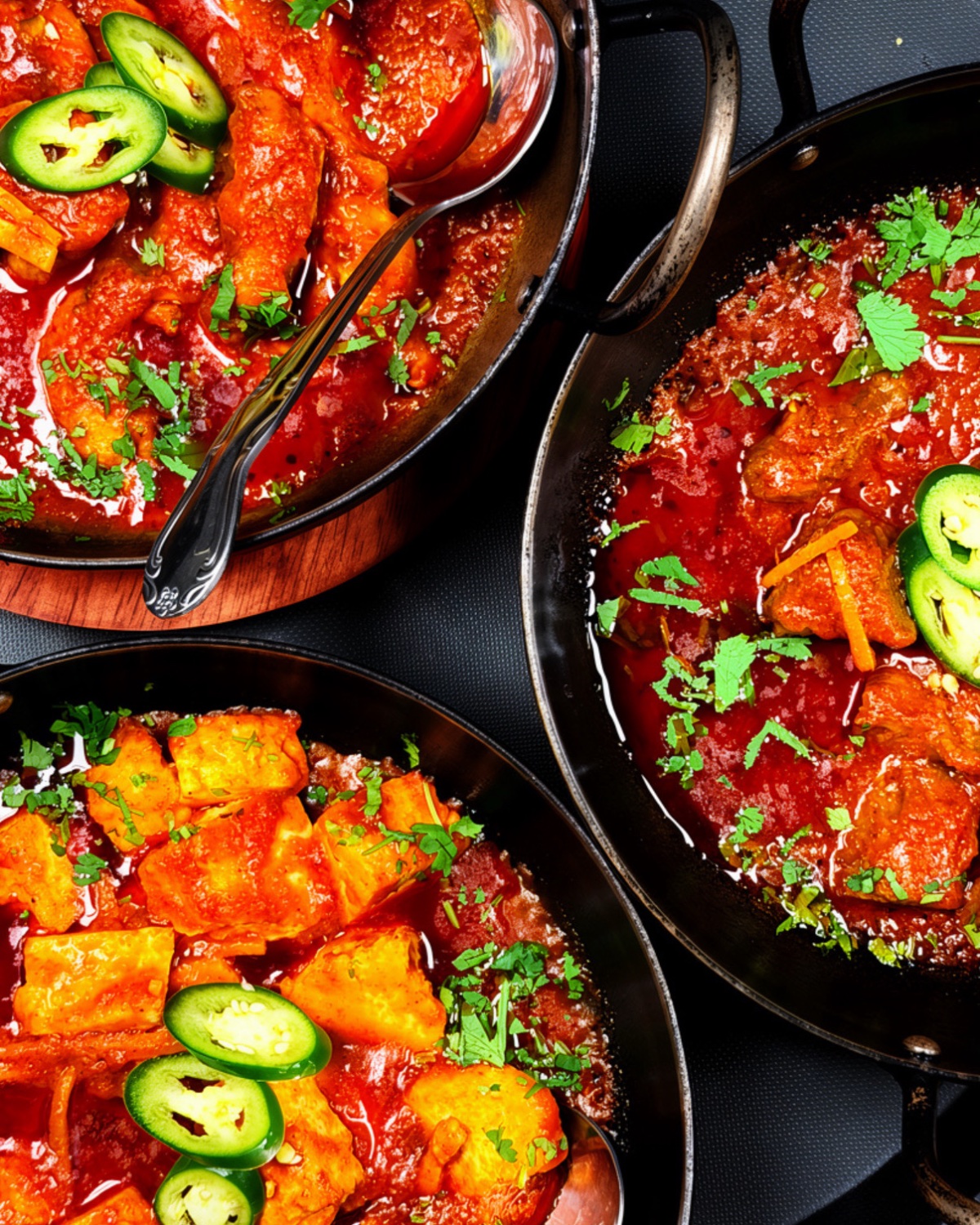
Karahi at Ma'am Saab, Charleston: wok-cooked curry with tomato and ginger

The Grand Trunk Road

Karahi

Named for the pan rather than a place. Cooked hard and fast over flame, from Peshawar through Punjab and every truck stop in between.

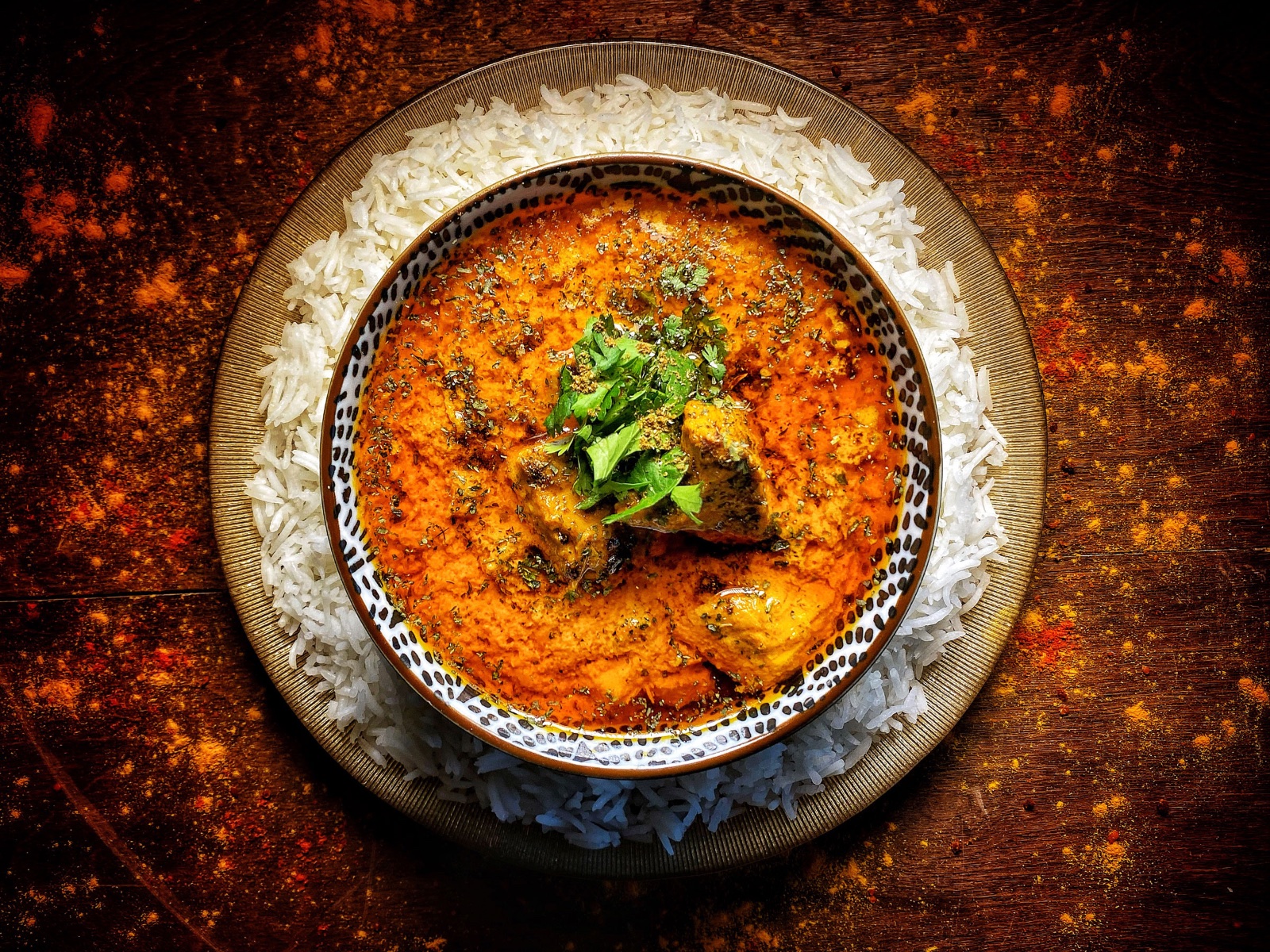
Butter chicken with basmati rice at Ma'am Saab, Charleston

A dish with two homes

Butter chicken

Butter chicken with basmati rice at Ma'am Saab in Charleston

The family behind Moti Mahal left Peshawar at Partition and reopened in Delhi, where butter chicken took the form the world now knows. Peshawari cooks, a Delhi dining room, Punjabi technique. The dish the world calls Indian was carried across the border by people who left what became Pakistan.

Which is why it feels so at home on our menu. We cook it with our own signature, richer and slower, and we make it entirely nut-free, though you would never guess it from the first spoonful. Guests tell us it is the best they have had, that they never knew chicken could melt in the mouth like that. Plenty of them order a side of the butter sauce on its own, to drench the rice and dip the naan and anything else within reach. One or two have asked, only half joking, whether they could take a bath in it.

One dish, two countries, and a whole lot of people who love it. We are glad to be part of that story.

Mughal architecture in Lahore

Thirty miles apart

The border runs through Punjab, but not its food.

Thirty miles separate Lahore from Amritsar, with a national boundary in between. Sit down to dinner in either and you get the same tandoor breads, the same wheat, the same slow-built gravies, the same weakness for butter. A cook from one kitchen could walk into the other and need no instructions.

Both cities grew up on the Grand Trunk Road, the same trade route, the same wheat plains, the same shared pantry of wheat, dairy and spice. That is what shaped a kitchen: what grows nearby, what the weather demands, who passed through selling spice. None of it stops at a checkpoint.

So when a guest asks whether a dish is Pakistani or Indian, the answer is usually Punjabi, or Sindhi, or Awadhi. The regions are older than the countries, and the recipes are older still.

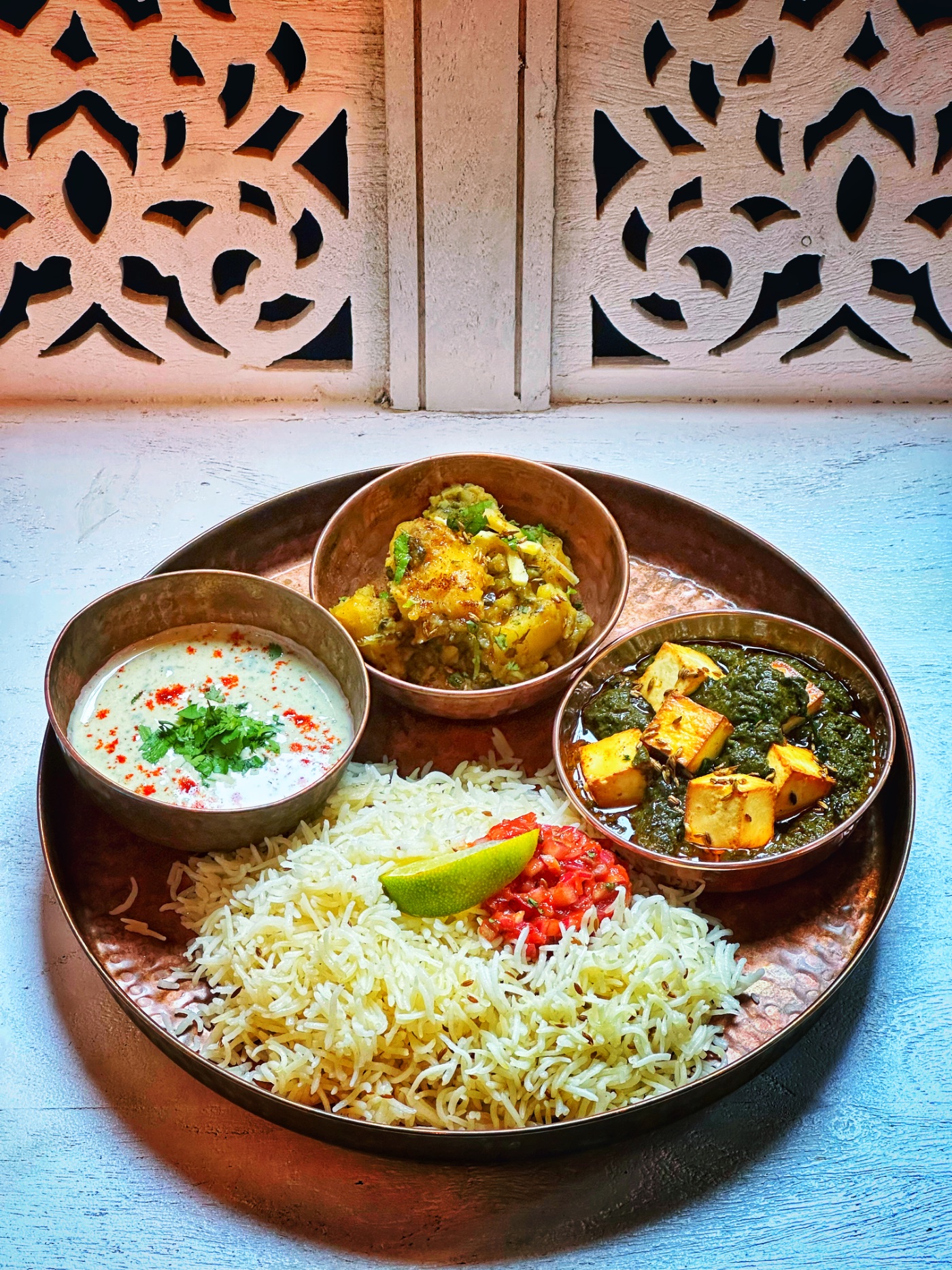
Punjabi thali: palak paneer, methi aloo, raita and rice on a copper platter
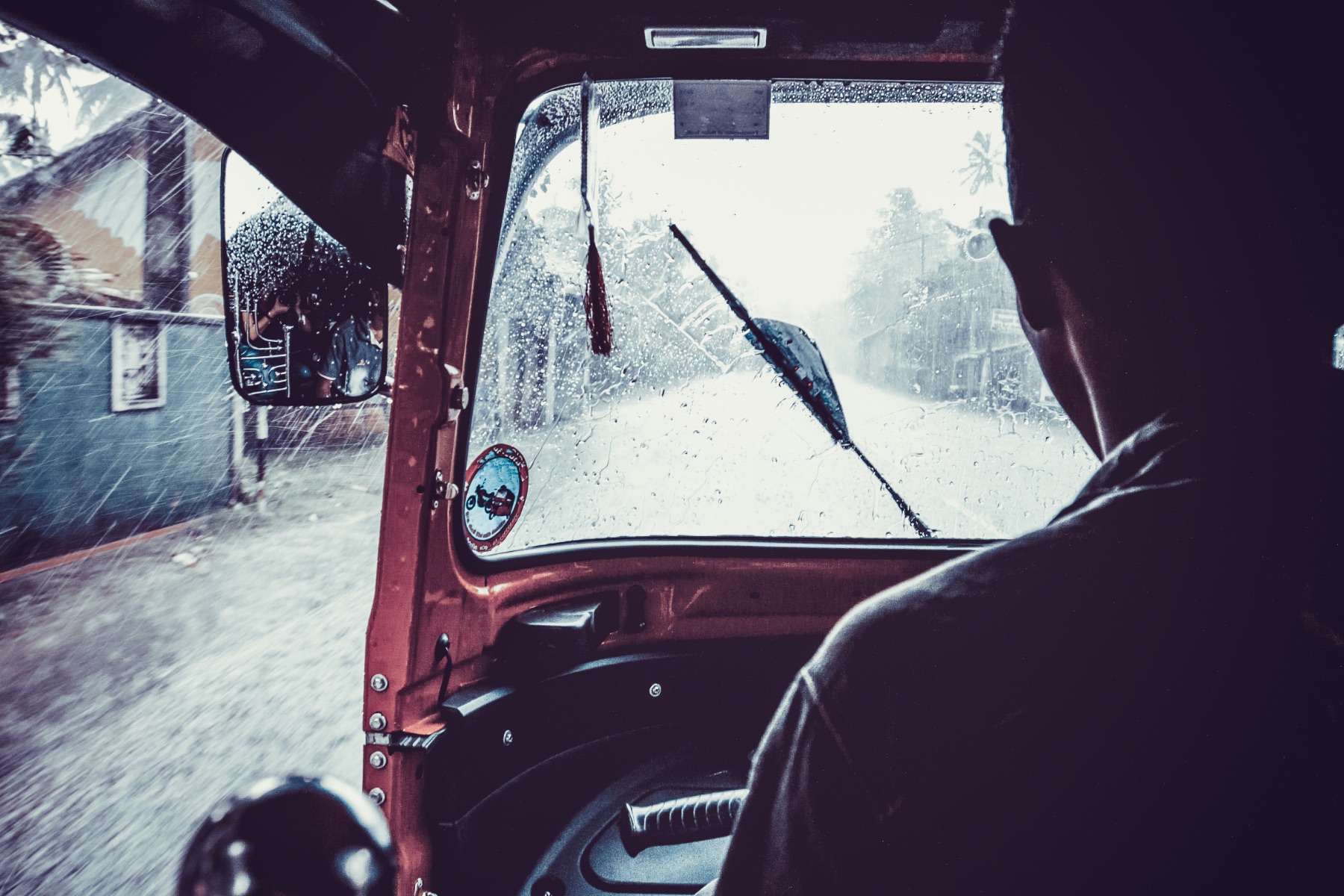
A rickshaw in the rain

A shared timeline

Five centuries of cooking.
One border.

16th c.

Mughal courts deepen the exchange between Persian, Central Asian and South Asian cooking. Pulao and kabab traditions evolve alongside older local breads, grains, spices and cooking methods.

18th c.

Nihari takes hold in Delhi and Lucknow, both of which claim it. Court kitchens refine a cuisine of slow-cooked meats and delicate spicing that later travels in every direction.

19th c.

British railways connect Karachi, Lahore, Delhi, Lucknow and Bombay. Cooks and dishes move faster and further than ever before.

1947

Partition draws a border in weeks. Millions move. Delhi families carry nihari to Karachi. Punjabi families carry their tandoors east.

Today

Two national cuisines now contain many older regional traditions that still overlap across the border. Menus on both sides still read remarkably alike.

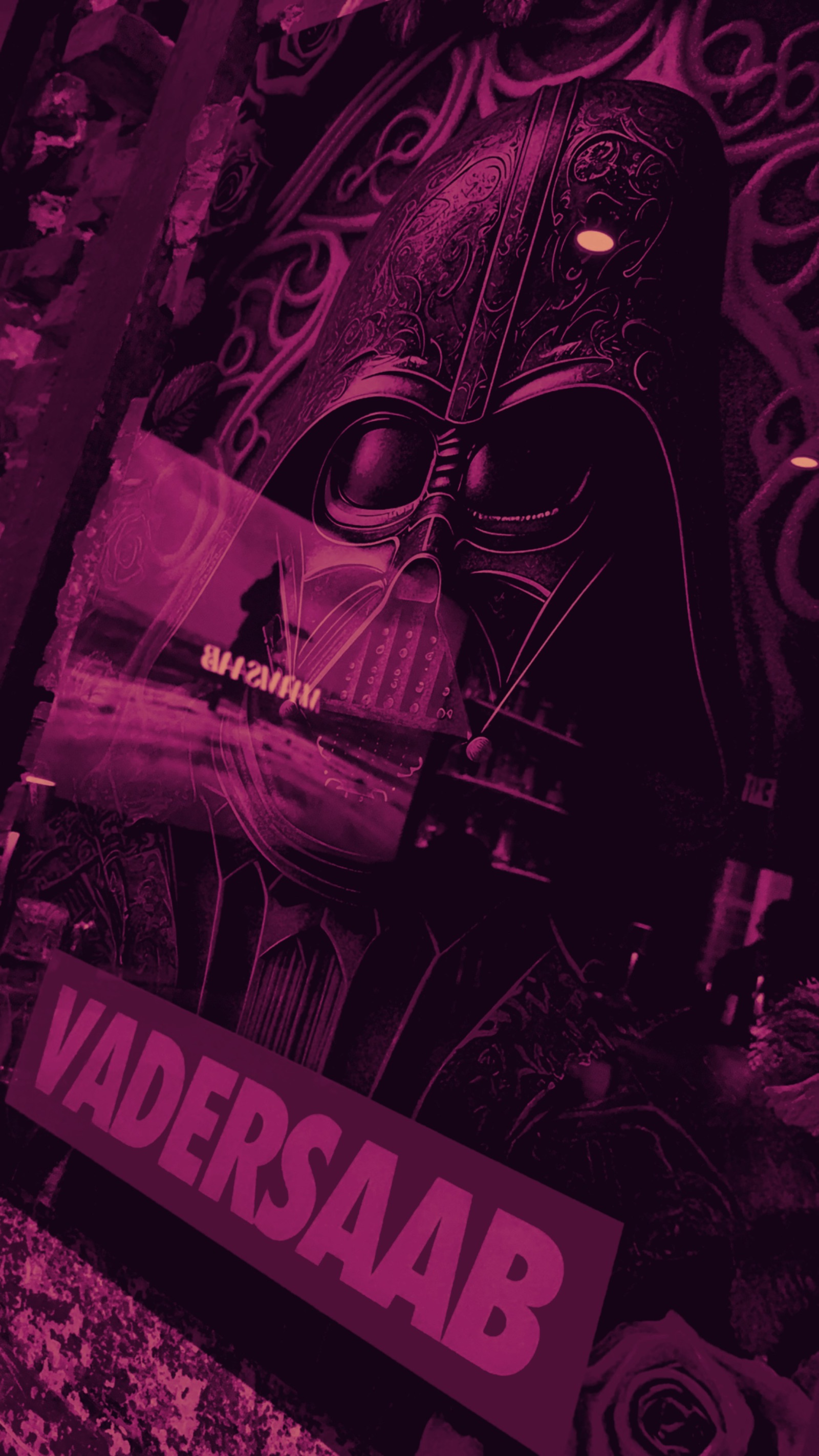
Ma'am Saab wall art in the Charleston dining room

Charleston's first
Pakistani restaurant

Why this matters at
251 Meeting Street.

We call ourselves a modern Pakistani restaurant because that is where our founder grew up and where this cooking is rooted. Karachi by way of the South. We are not going to stop saying it.

But when someone walks in looking for Indian food in Charleston, they are almost always describing exactly what comes out of our kitchen. Biryani. Butter chicken. Karahi. Tikka. Chaat. Kababs. Paneer. Naan. Kesar Mango Lassi.

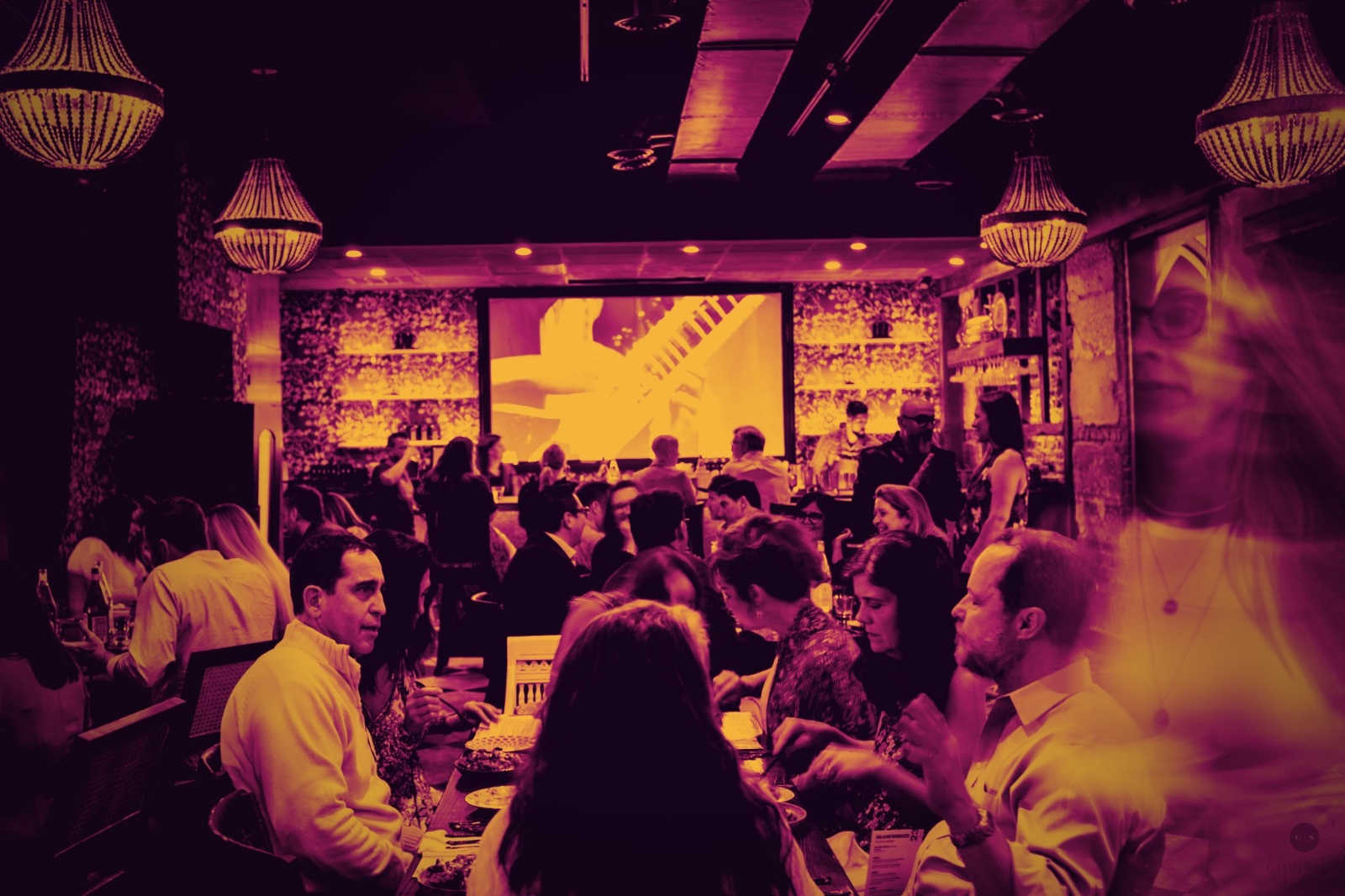
The Ma'am Saab dining room

Come in curious, tell us what you love, and let us feed you the way we would feed someone in our own home. Whatever you call it, we would be glad to have you at the table.

So if you are hunting for great South Asian cooking in downtown Charleston, you have found it. We cook it the way it was meant to be: bold, generous, full of feeling.

Glowing charcoal embers

Whatever you call it

Come hungry. There's a table waiting.

Book a Table See the Menu
Reserve Order Online